
Duck hunting in Arkansas is more than just a pastime—it’s a time-honored tradition that connects hunters to the land, the water, and the thrill of the hunt. But for beginners, all the lingo can feel overwhelming. What does it mean when someone says the birds are “flaring”? Or that the guide is “working the ducks”?
In this guide, we’ll break down the essential duck hunting vocabulary you’ll hear in the blind. Whether you’re getting ready for your first guided duck hunting trip in AR or just want to sound like a seasoned hunter, this glossary will help you speak the language of waterfowlers with confidence.
When you’re ready to put this knowledge into action, Duck Down Guide Service in Tucker, Arkansas offers expert-led hunts where you can experience these terms firsthand.
Getting Started: Understanding Duck Hunting Basics
The Role of a Guided Hunt
A guided duck hunt is one of the best ways to learn the ropes. Your guide sets up decoys, handles the calling, and ensures you’re in the right spot for success. In Arkansas, especially around Tucker, the flooded timber and rice fields are prime habitats for migrating ducks.
Guides like Duck Down Guide Service make sure new hunters understand safety, strategy, and proper hunting etiquette from the start.
The Importance of Local Knowledge
Duck hunting conditions change daily based on weather, wind, and water. Local guides know where birds are feeding and resting—crucial info that can make or break your hunt. That’s why guided duck hunting in AR gives beginners a huge advantage.
Safety First
Before worrying about terms, always remember the golden rule of duck hunting: safety first. Follow all firearm safety rules, wear proper gear, and communicate with your blind partners clearly.
Essential Duck Hunting Vocabulary
Learning duck hunting terminology helps you understand what’s happening in the blind and react quickly. Here are some of the most common and useful terms.
“Working” Ducks
When ducks are circling your decoys, appearing interested but not yet committing, hunters say the birds are “working.” It’s a thrilling part of the hunt—watching how ducks respond to your spread and calling.
“Flaring”
If ducks suddenly turn away instead of landing, they’re “flaring.” This can happen if they see movement, reflections, or anything unnatural. Skilled guides adjust decoys or blinds to reduce flaring.
“Calling”
Duck calling involves mimicking the sounds of ducks to attract them. There are different types of calls—feeding calls, greeting calls, and hail calls—each serving a purpose. Your guide at Duck Down Guide Service can demonstrate how to call effectively.
“Decoy Spread”
A decoy spread is the arrangement of fake ducks placed on the water to lure real ones in. The pattern can resemble feeding, resting, or flying ducks, depending on the season and conditions.
“Limits”
Your bag limit is the maximum number of ducks you can legally harvest in a day. In Arkansas, limits vary by species, so always check current Arkansas Game and Fish Commission regulations.
“Blinds”
A duck blind is a camouflaged structure that hides hunters from ducks’ keen eyesight. In Arkansas, hunters often use pit blinds in fields or timber blinds among flooded trees.
Advanced Lingo You’ll Hear from Experienced Hunters
Once you get more comfortable, you’ll start hearing advanced terms that describe tactics and behavior in the field.
“Finishing” Ducks
When ducks commit to landing within shooting range, hunters say the ducks are “finishing.” It’s the final stage after “working,” and timing your shot is crucial.
“Shooting Light”
This term refers to legal shooting hours—usually from 30 minutes before sunrise until sunset. Hunters plan to be in their blinds well before shooting light begins.
“Skies” and “Weather Days”
Duck hunters love overcast, windy conditions—often called “duck weather.” Clear, calm days are known as “bluebird days,” when ducks are less active.
“Bands”
Some ducks are fitted with small leg bands by researchers. Harvesting a banded duck is special—it means you’ve contributed to conservation data.
“Waterfowl Flyway”
Arkansas sits in the Mississippi Flyway, one of North America’s major migratory paths. This makes guided duck hunting in AR especially productive during peak migration months.
Local Insights: Duck Hunting in Tucker, Arkansas
Why Arkansas Is a Duck Hunter’s Paradise
Arkansas is often called the Duck Hunting Capital of the World—and for good reason. The state’s combination of rice fields, flooded timber, and managed wetlands create the perfect habitat for mallards, pintails, and teal.
The Tucker region offers access to prime spots where thousands of ducks pass through every winter.
What to Expect with Duck Down Guide Service
When you hunt with Duck Down Guide Service, you’ll experience professional guidance, well-scouted locations, and top-quality gear. Their experienced guides handle everything from setting up blinds to calling in birds—so you can focus on the excitement of the hunt.
Best Time to Hunt in Arkansas
The Arkansas duck season typically runs from late November through January. Early mornings during cold fronts often yield the best flights.
FAQs: Beginner Duck Hunters’ Common Questions
What gear do I need for my first duck hunt?
Start with waterproof waders, a reliable shotgun, non-toxic ammo, and warm layers. Don’t forget a hunting license and federal duck stamp. Your guide usually provides decoys and blinds.
How important is calling for beginners?
Calling is useful but takes time to master. Beginners often rely on their guides to do most of the calling. At Duck Down Guide Service, guides demonstrate when and how to call effectively.
Do I need my own dog?
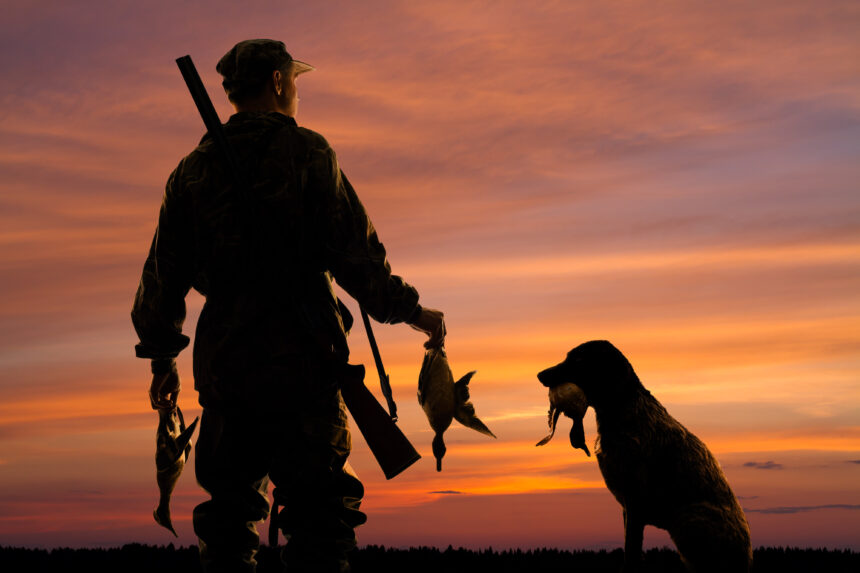
No. Most guided hunts provide trained retrievers. These skilled dogs are vital for retrieving birds safely and efficiently.
What species will I see in Arkansas?
Common species include mallards, gadwalls, wood ducks, teal, and pintails. Arkansas’ central location on the Mississippi Flyway means you’ll see incredible diversity.
What’s the best way to prepare for a guided hunt?
Study duck ID charts, practice shooting clays, and read up on duck behavior. Booking with Duck Down Guide Service ensures you’re set up for success from day one.
Putting It All Together: Learn, Hunt, and Enjoy
Duck hunting might seem complicated at first, but once you understand the language, it all clicks. From working birds to finishing flocks, every term describes part of an exciting and dynamic sport.
If you’re ready to turn knowledge into experience, Duck Down Guide Service in Tucker, AR is the perfect place to start. Their expert guides will help you understand every term in action—and give you a memorable Arkansas waterfowl experience you’ll never forget.
Ready to put your new vocabulary to the test?
👉 Book your next guided duck hunting adventure with Duck Down Guide Service in Tucker, AR today and experience the excitement of Arkansas waterfowling like never before.