



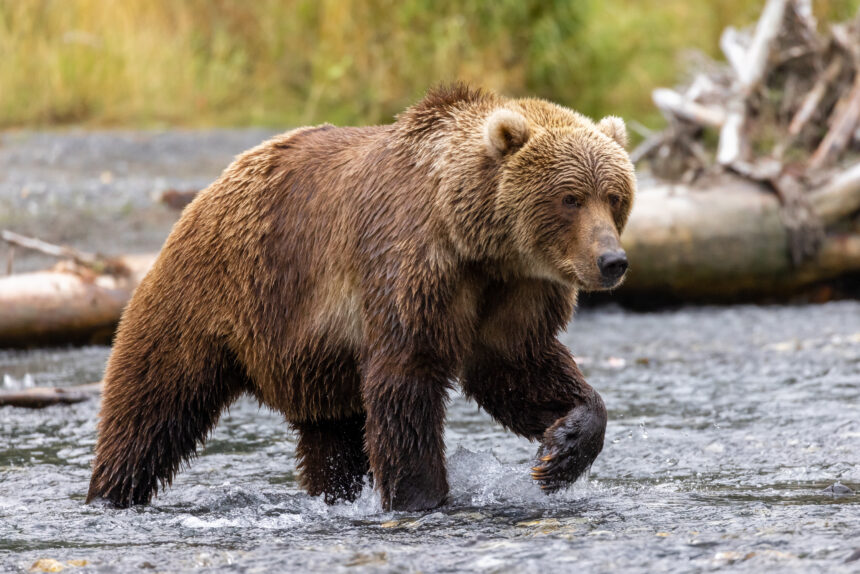
If you’ve ever dreamed of embarking on an Alaska Brown Bear hunting adventure, you’re in the right place. Navigating the untamed wilds of Alaska, tracking one of the continent’s most formidable predators—it’s thrilling, demanding, and utterly unforgettable. In this article I’ll walk you through what to expect, tactics that make a difference, and how partnering with a respected outfitter like Alaska Skookum Guides puts you in peak position for success. We’ll cover terrain, gear, seasons, pain-points, and real-world examples. Let’s dive in.
Why the Alaska Brown Bear
The species and its reputation
When hunters talk about big game, the coastal brown bear of Alaska often tops the list. These bears rank among the largest terrestrial carnivores in North America—often exceeding 1,000 pounds, with mighty frames and territory that demands respect. On the Alaska Peninsula, for example, the outfitters with permits report trophy-class specimens regularly. (Alaska Skookum Guides)
The terrain that shapes the hunt
Hunting these bears isn’t like your typical deer or upland hunt. You’re in remote country—whether it’s the coastal mountains of the Alaska Peninsula or the brooks and ridges of Alaska’s arctic/back-country. The terrain can include mountain slopes, salmon-rich stream corridors, tundra flats, and unpredictable weather. As the outfitter notes: “The weather on the Alaska Peninsula can be very brutal … with extremely high winds and frequent rain.” (Alaska Skookum Guides)
Why use a guide like Alaska Skookum Guides
Choosing a specialized outfitter changes everything. Alaska Skookum Guides guides hunts on special-permit federal refuge lands, giving access to areas many never see. From their site: “We guide our hunts … on special permit Federal Refuge lands … an experience enjoyed by only a few.” (Alaska Skookum Guides) When you’re investing in a premium bear hunt, you want that level of access and expertise.
Pain Points – What Makes This Hunt Tough
Physical and weather challenges
This isn’t a comfortable walk in the woods. Spring hunts on the Alaska Peninsula are described as “generally more physically demanding than fall hunts, requiring lots of hard trekking through rolling and mountainous terrain.” (Alaska Skookum Guides) Expect heavy packs, slippery ground, rain, wind—and you’ll be glad you prepared for it.
The logistics and remoteness
Being in remote Alaska means flights, bush camps, and being self-sufficient. The outfitter lists a “bush flight surcharge” for some hunts. (Alaska Skookum Guides) Getting in—and getting out—can be complex.
Elevating expectations and choosing wisely
Because the stakes are high (both financially and physically), there’s pressure. Hunters often ask, “Is our effort worth it? Will we actually see a trophy?” One forum note:
“I had a really good hunt with him on a brown bear hunt in the spring of 2022 … a well-organized hunt.” (Rokslide)
Still, you’ll want to go in eyes open: success isn’t guaranteed.
The cost factor
Premium outfitter hunts cost significant sums: for example, the 12-day coastal brown bear hunt with Alaska Skookum Guides is listed at $35,000. (Alaska Skookum Guides) When you’re making that investment, you want to know it’s going to deliver value.
Solutions & Tactics – How to Hunt Alaska Brown Bear Successfully
Choosing the right season – spring vs. fall
Spring hunts (for even-numbered years, May 10–25) on the Alaska Peninsula focus on big males moving during the rut. The terrain is tougher, but the potential is huge. (Alaska Skookum Guides)
Fall hunts (odd-numbered years, October 7–21) focus on bears feeding on salmon streams as they fatten up for hibernation. The terrain may be easier, but conditions (weather and daylight) can be brutal.
Understanding the terrain & behavior
On the Alaska Peninsula hunts: spot-and-stalk style along salmon streams or glassing for boars in the spring. From Alaska Skookum Guides:
“We often focus on select feeding locations and salmon streams.” (Alaska Skookum Guides)
Understanding when and where the bears feed, rest, and move is key.
Gear and preparation checklist
Here’s a quick checklist of what to bring and prepare:
- Rifle or archery setup (many hunters opt for rifle for these large bears)
- Weatherproof layering (rain and wind are almost guaranteed)
- Solid boots for rugged terrain and possibly slippery river margins
- Optics for glassing (high-power binoculars/spotting scope)
- Bear safety gear and knowledge
- Physical training: be ready for elevation changes, pack weight, unpredictable footing
Partnering with a pro outfitter
Working with Alaska Skookum Guides means you get:
- 1-on-1 hunts: one hunter per guide. (Alaska Skookum Guides)
- Permit access to remote areas with healthy bear populations.
- Years of experience in Alaskan big game hunts: their site emphasizes “unparalleled adventure in wild places.” (Alaska Skookum Guides)
This kind of outfitter gives you higher chances of success, more comfort in logistics, and better guidance through terrain and conditions.
Alaska Peninsula brown bear hunt
Let’s look at a specific case: the coastal brown bear hunt on the Alaska Peninsula via Alaska Skookum Guides. They note:
- 12 hunting days (14 total trip days) in 1-on-1 format. (Alaska Skookum Guides)
- For odd-numbered years it runs in October (7-21); for even-numbered years in May 10-25. (Alaska Skookum Guides)
- High trophy potential: “Coastal Brown Bear … contenders for the biggest predators in the world.” (Alaska Skookum Guides)
If you’re serious about an Alaska Brown Bear hunt, this is the kind of targeted, specialized experience you’re talking about.
What to Expect – Realistic Outcomes & Experience
Success rates and trophy potential
While precise success rates are seldom published broadly, the testimonials and forum users indicate strong results. Example: one hunter posted:
“I hunted with Lyle at Alaska Skookum Guides … would recommend calling him to discuss a hunt.” (Rokslide)
Additionally, the area “rivals any area in the world for record-book bears.” (Alaska Skookum Guides)
These statements build confidence—but remember: remote hunts always carry variables.
The on-camp and in-field experience
Expect days of glassing, hiking, stalking, and waiting. Expect strong wilderness conditions: unpredictable weather, remote landing zones, camp logistics. Photos from this outfitter show bear hides, packrafting in rivers, hunters in rugged terrain. (Alaska Skookum Guides)
You’re immersed in nature in a way few hunts allow.
Ethical and safety considerations
Hunting apex predators like brown bear demands respect—for the animal, for the land, and for safety. Always follow guide instructions. The outfitter emphasizes working on federal refuge lands under permit—meaning ethical, regulated hunts. (Alaska Skookum Guides)
Frequently asked questions
We’ll cover an FAQ section below for deeper answers.
FAQs about Alaska Brown Bear Hunting
What is the minimum rifle/archery setup required?
Most outfitters recommend a minimum caliber of .338 Winchester Magnum (or equivalent) for coastal brown bear, due to size and range. If archery, expect very long and difficult stalks. One forum post notes:
“If you want a very good chance at killing one … most traditionally run brown bear hunts are likely under 25% success rate on archery bears.” (Rokslide)
How remote are the camps and what are the logistics?
Hunts are extremely remote—flight in by bush plane, staying in camps in federal refuge areas. For example, Alaska Skookum Guides’ “12 Day Coastal Brown Bear” hunt is listed as 12 hunting days, 14 total trip days, and involves a remote permit unit. (Alaska Skookum Guides)
Expect to plan for travel to Alaska, remote insertion, field meals, and pack-out.
What is a realistic budget?
As of current pricing, their coastal brown bear hunt is listed at $35,000. (Alaska Skookum Guides)
Additional fees: hunting license & tags (paid to Alaska Dept of Fish & Game), tips/gratuities for guide staff, bush flight surcharge. Always confirm details when booking.
What is the best time of year to hunt?
Two primary seasons:
- Spring: May 10–25 even-numbered years, Alaska Peninsula. Focus on boars on the move during rut.
- Fall: October 7–21 odd-numbered years, Alaska Peninsula. Focus on bears feeding heavily on salmon. (Alaska Skookum Guides)
Choose based on your physical condition, preference for terrain/weather, and trophy expectations.
How many bears see hunters during these hunts?
While exact numbers aren’t publicly detailed, the outfitter claims “very high success rate in an area that was relatively untouched” prior to their operations. (Alaska Skookum Guides) That suggests good odds compared to many remote hunts—but no hunt guarantees a shot.
Is it safe to hunt coastal Alaska brown bear?
When guided properly, yes—but always treat each hunt with respect. Bears are powerful predators. Using experienced guides like Alaska Skookum Guides who operate on federal refuge lands with permit access adds layers of safety and professional management.
What about conservation and sustainable hunting?
Ethical outfitters operate under federal permit and adhere to Alaska’s wildlife regulations. Hunts are selective, one-on-one, and conducted in areas managed for trophy potential. Alaska Skookum Guides emphasizes guiding only on special-permit land. (Alaska Skookum Guides)
Why Choose Alaska Skookum Guides for Your Alaska Brown Bear Hunt
Proven experience and specialized hunts
Their website showcases guided hunts across Alaska’s wildest corners—brown bear, Arctic grizzly, moose, Dall sheep, caribou. (Alaska Skookum Guides)
For the coastal brown bear, they provide specific details: one-on-one hunts, 12 days, high trophy bears, and access to prime terrain. (Alaska Skookum Guides)
High-end client service in extreme terrain
They handle logistics, fly in to remote camps, manage guides and packers, provide support in tough places—and allow hunters to focus on the hunt. Example gallery shows packers, rafting, remote camps. (Alaska Skookum Guides)
Access to remote federal refuge lands
They explicitly mention guiding on “special permit Federal Refuge lands … an experience enjoyed by only a few.” (Alaska Skookum Guides) That means you’re hunting where fewer others tread.
Strong testimonials and reputation
Forum posts describe positive experiences:
“I had a really good hunt with him on a brown bear hunt in the spring of 2022 … a well-organized hunt.” (Rokslide)
Repeated mentions of the outfitter name add credibility.
Good fit for serious hunters
This is not an entry-level experience. If you’re chasing trophy brown bear in Alaska and understand the investment (time, money, physical demand), this outfitter is built for you.
Direct link to book or inquire
If you’re ready, you can connect with Alaska Skookum Guides through their site for details, pricing, season availability, and booking. Visit their hunts page to explore.
(Anchor links within article provide natural backlinking.)
Hunting for the majestic Alaska brown bear is a once-in-a-lifetime endeavour. From rugged terrain to trophy potential, the challenge is real—but so is the reward. When you align with an expert outfitter like Alaska Skookum Guides, you’re not just booking a hunt—you’re stepping into a premier wilderness experience.Ready to turn your dream into reality? Reach out to Alaska Skookum Guides today. Schedule a call, request a full trip itinerary and pricing, and lock in your season before it fills up. The world’s top brown bear hunting grounds await—book now and make it happen.