



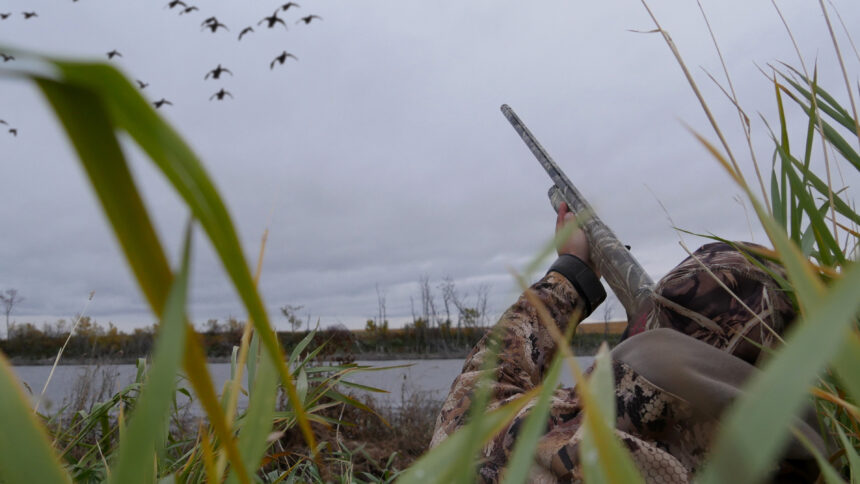
Flooded timber is more than a backdrop for duck hunting in Arkansas—it’s a tradition. For generations, hunters have flocked to the state to experience the thrill of mallards cupping through the trees at sunrise. This iconic style of waterfowling demands skill, timing, and a deep understanding of the woods. Whether you’re a seasoned waterfowler or planning your first flooded timber hunt, mastering this terrain can make or break your season.
In this comprehensive guide, we’ll break down tactical tips on calling, decoy spreads, and scouting flooded timber. Plus, we’ll highlight how Big Creek Waterfowl—a premier outfitter in Wheatly, AR—can elevate your next hunt.
Understanding Flooded Timber Hunting in Arkansas
Why Flooded Timber Is So Unique
Flooded timber creates close-quarter shooting situations where ducks drop straight down through the trees. Unlike open water hunts, where birds circle wide and land at a distance, timber hunts happen up close and fast. The echoing sound of calls bouncing off tree trunks adds to the allure.
Arkansas is home to legendary flooded timber areas, including the Cache River and White River basins. These hardwood forests flood seasonally, creating the perfect habitat for mallards seeking acorns and cover.
“When ducks commit in the timber, it’s like watching greenheads parachute from the sky,” says a veteran Wheatley hunter. “There’s nothing else like it.”
Timing Your Hunts for Peak Action
Timing is everything in flooded timber. Mornings usually bring the heaviest mallard traffic, especially on cold, bluebird days following a front. In Arkansas, peak timber hunts often occur between late November and mid-January, when migration pushes birds into the state’s bottomlands.
- Early season: Birds are less pressured but scattered.
- Mid-season: Cold fronts move new ducks in. Calling and movement become critical.
- Late season: Educated birds require subtle tactics and precision.
Local Example: Wheatly, AR
Wheatly, Arkansas, sits in the heart of prime flooded timber country. Hunters here access both public green timber and private managed woods, often just minutes from town. Big Creek Waterfowl has built its reputation in this region by guiding hunters through high-success timber setups that consistently put birds in the decoys.
Mastering the Art of Calling in Timber
Use the Woods to Your Advantage
Timber amplifies sound. That means you don’t need to blow as hard or as often as you might in open fields. Sharp, realistic hail calls can echo through the woods, grabbing attention from distant flocks. Once ducks respond, switch to softer feeding chuckles and quacks to guide them in.
Pro Tip: Use the trees as a “natural megaphone.” Position yourself so the sound projects through open gaps, not directly into dense stands.
Know When to Go Silent
Experienced Arkansas hunters know the value of strategic silence. Once ducks commit, lay off the call. Let their natural curiosity pull them in. Overcalling can spook late-season birds that have heard every note along the flyway.
Calling Cadence for Mallards
Here’s a basic calling cadence that works well in flooded timber:
- Hail Call: 2–3 loud, clear notes to get attention.
- Greeting Call: 5–7 descending quacks as birds turn.
- Feeding Chuckle: A fast series of “tikkit-tikkit” sounds as birds approach.
- Silence: Once wings lock, put the call down.
Decoy Strategies That Work in Flooded Timber
Keep Spreads Tight and Natural
In flooded timber, less is often more. Ducks expect to see small, natural-looking groups. Instead of massive spreads, 6–12 high-quality decoys arranged in a tight “hole” often outperform larger setups.
- Set decoys in the brightest opening of the timber hole.
- Leave a landing pocket where birds can drop in.
- Use motion decoys sparingly—sometimes just a single jerk string is enough.
Specialty Decoys for Timber
A few decoys can make a big difference:
- Butt-up feeders mimic ducks tipping for acorns.
- Spinning-wing decoys can help on cloudy days but may flare birds late season.
- Confidence decoys like coots or wood ducks can add realism.
Local Tactic: Adapting to Water Depth
In areas like Wheatly, AR, water depth can fluctuate daily. Adjust decoy line lengths or use stand-up decoys to keep spreads looking natural. Big Creek Waterfowl guides are experts at reading water levels to keep setups effective all season long.
Scouting Flooded Timber Like a Pro
Follow the Water and Food
Ducks follow two things in Arkansas: acorns and water. Successful hunters scout timber holes after rainfall or cold fronts, when water levels rise and acorns drop. Look for fresh duck tracks, feathers, and droppings around timber edges.
Early Morning Recon
The best scouting happens at first light. Listen for ducks chattering in the woods, and watch flight lines from a distance to avoid educating birds. A good timber hole often sounds like a crowded café before sunrise.
Tech Meets Tradition
Modern tools like drones (where legal), aerial maps, and GPS can help identify hidden timber pockets. Pair these with boots-on-the-ground scouting for the best results. This is where local expertise matters—guides from Big Creek Waterfowl know how to find untouched timber holes when public spots get crowded.
FAQs About Duck Hunting in Arkansas Flooded Timber
What’s the best time of day to hunt timber?
Morning hunts are best, especially after a cold front. Ducks typically move early to feed and loaf in timber holes.
How deep should the water be for decoys?
Ideal depth is 6–18 inches. Shallow water keeps decoys upright and creates the natural feeding look ducks expect in timber.
Do I need a boat for flooded timber?
Not always. Many timber holes in Arkansas can be accessed by walking or ATV, but small boats or mud motors help reach deeper woods.
Flooded timber hunting in Arkansas is both art and science. From perfecting your call to setting a smart spread and scouting the right holes, every detail matters. Whether you’re chasing your first greenhead or your hundredth, preparation and local knowledge make the difference.
For hunters who want to experience the best timber Arkansas has to offer, booking a guided hunt is the fastest path to success. Big Creek Waterfowl specializes in flooded timber duck hunts in Wheatly, AR, providing expert guides, prime locations, and unforgettable mornings in the woods.👉 Ready to hunt flooded timber like a pro? Book your Arkansas duck hunt today and make this season your best yet.