



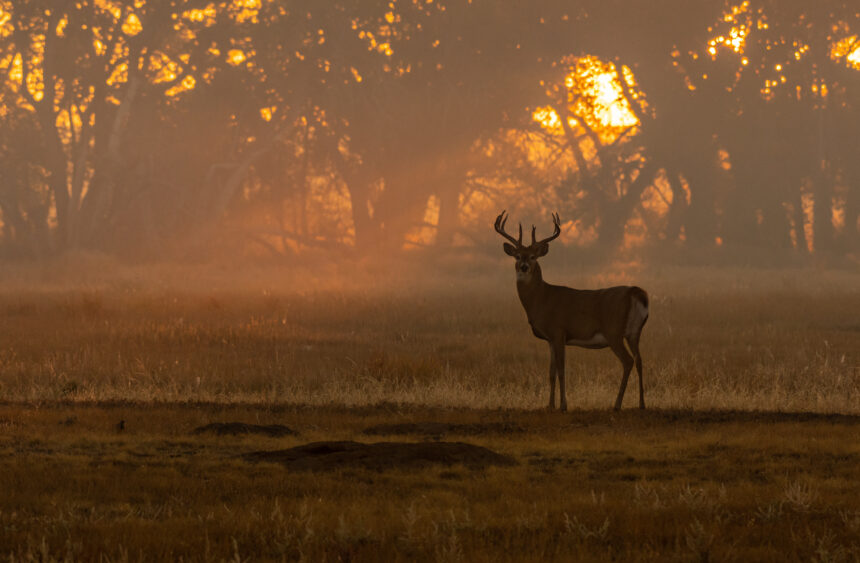
For hunters seeking Nebraska guided deer hunting, understanding deer behavior is crucial. Knowledge of movement patterns, bedding areas, and feeding habits can make the difference between a successful hunt and a missed opportunity.
At Beamers Guide Service, we specialize in guided deer hunting in Nebraska, Kansas, and Florida, helping hunters maximize their chances while respecting wildlife and land stewardship. In this guide, we’ll cover how deer behave throughout the year, the role of terrain, and practical tips to plan a productive hunting trip.
Primary Search Intent: Informational with transactional intent
Hunters are looking for guidance on deer behavior and may book a guided hunt.
Deer Movement Patterns
Seasonal Shifts in Movement
Deer movement changes throughout the year, influenced by:
- Food availability: In fall, deer move more actively toward acorns and crops.
- Breeding cycles: The rut in November drives increased movement.
- Weather: Snow, frost, and temperature shifts alter feeding times.
Example: In western Nebraska, whitetail bucks often move toward south-facing slopes during winter for shelter and sun exposure.
Daily Movement Patterns
Deer are crepuscular, meaning they are most active at dawn and dusk. Understanding this helps hunters plan ambushes and select tree stands or ground blinds effectively.
- Morning feeding occurs 30–60 minutes before sunrise.
- Evening movement usually starts 30 minutes before sunset.
Using Trail Cameras
Trail cameras help identify deer travel routes, bedding areas, and feeding locations. Reviewing patterns over several weeks allows hunters to position themselves for maximum visibility.
Bedding Areas and Habitat Selection
Identifying Bedding Areas
Deer prefer safe, secluded areas with cover and proximity to food sources. Common bedding locations include:
- Dense brush or thickets
- Tall grass fields
- Forest edges and tree lines
Bucks often have multiple beds they rotate among, depending on seasonal pressure and human activity.
Terrain Influence
In Nebraska, deer often use hills, river breaks, and cropland edges as bedding areas. Bucks may bed on north-facing slopes in summer to stay cool, and south-facing slopes in winter for warmth.
Hunting Around Bedding Areas
- Approach from downwind to avoid scent detection.
- Use natural cover like trees and brush to remain unseen.
- Avoid frequent disturbance—spooking deer from bedding areas reduces hunting success.
Feeding Habits and Food Sources
Preferred Diet
Deer diets vary by region and season:
- Spring/Summer: Grasses, forbs, and leafy vegetation
- Fall: Crops like corn, soybeans, and acorns
- Winter: Browse on woody plants and residual crops
Understanding local crop cycles helps hunters anticipate deer feeding routes and timing.
Core Feeding Areas
Deer typically feed within 1–2 miles of bedding areas. Identifying “hot spots” requires scouting and tracking:
- Areas with abundant food and cover
- Water sources like ponds, creeks, or wetlands
- Transition zones between timber and open fields
Practical Hunting Tips
- Scout before the season: Map out feeding and bedding areas.
- Adjust timing: Hunt during peak feeding hours (dawn/dusk).
- Stealth techniques: Move slowly, use scent control, and stay downwind.
Regional Examples: Hunting in Nebraska, Kansas, and Florida
Nebraska Hunting Insights
Nebraska hunters often encounter large whitetail bucks in crop field edges and river breaks. Guided hunts with Beamers Guide Service focus on:
- Using trail cameras to identify prime bucks
- Setting up stands overlooking feeding corridors
- Understanding rut behavior for peak success
Kansas Hunting Insights
In Kansas, deer prefer dense timbered areas and shelterbelts. Our guides advise:
- Locating bedding near food plots
- Hunting early morning in the rut for increased activity
- Recognizing signs like rubs and scrapes to track bucks
Florida Hunting Insights
Florida deer hunting requires adaptation to subtropical conditions:
- Deer move differently in mild winters and hot summers
- Bedding often occurs in thick palmetto or pine forests
- Food sources include acorns, palmetto berries, and seasonal crops
Tools and Techniques for Successful Hunts
Trail Cameras and GPS
Modern technology improves hunting efficiency:
- Trail cameras: Track deer movement over time
- GPS mapping: Identify bedding, feeding, and travel corridors
Tree Stands vs. Ground Blinds
- Tree stands: Offer elevated vantage points and cover scent
- Ground blinds: Effective near feeding areas, especially in open fields
Choosing the right tool depends on terrain, deer patterns, and personal preference.
Scent Control and Stealth
Deer rely heavily on scent and hearing. Techniques include:
- Using scent-free soaps and sprays
- Approaching downwind of bedding or feeding areas
- Minimizing noise while walking through brush
FAQs About Deer Behavior and Guided Hunts
When is the best time to hunt deer in Nebraska?
Peak activity aligns with the rut in November, but early morning and evening movements occur year-round.
How do I find bedding areas on new land?
Look for:
- Trails leading to thick cover
- Flattened grass or bedding depressions
- Fecal deposits near cover
Can guided hunts increase success rates?
Yes. Experienced guides provide:
- Local knowledge of deer patterns
- Access to prime hunting grounds
- Expertise in stand placement and safety
Understanding deer behavior is essential for any hunter pursuing Nebraska guided deer hunting. By observing movement patterns, bedding areas, and feeding habits, hunters increase their odds of success while maintaining ethical practices.
Beamers Guide Service provides experienced guided hunts across Nebraska, Kansas, and Florida, giving hunters the tools, guidance, and access needed to bag trophy bucks.👉 Book your guided hunt today and experience expert assistance in the field!