
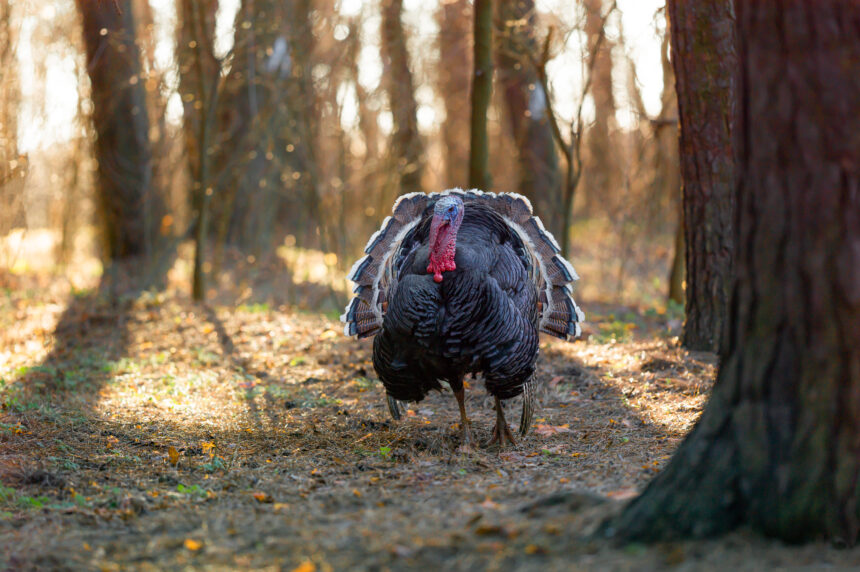
Turkey hunting is as much about understanding your quarry as it is about skill. Guided turkey hunts in Nebraska, especially around Sidney, require insight into turkey behavior, from feeding patterns to mating habits. Whether you are a first-time hunter or a seasoned veteran, knowing what drives these birds increases your chances of success.
At Powder Morning Hunting Company, we combine expert guidance with local knowledge to provide an unparalleled turkey hunting in Sidney Nebraska experience.
🦃 Why Understanding Turkey Behavior Matters
Hunting Success Depends on Behavior
Turkeys are intelligent and highly aware of their surroundings. Recognizing how turkeys respond to movement, sound, and time of day is essential for planning your hunt.
- Turkeys have excellent vision and hearing.
- They respond strongly to mating calls and other environmental cues.
- Awareness of their feeding and roosting habits helps predict their location.
For more on local hunting tips, see our article on Nebraska Antelope Hunts.
Seasonal Patterns Affect Behavior
Turkey behavior changes with the seasons:
- Spring: Dominated by mating rituals; males display prominently.
- Summer: Focusing on brood-rearing, turkeys may be less responsive to calls.
- Fall/Winter: Feeding habits dominate; turkeys may gather in large flocks.
Understanding these shifts helps hunters plan when and how to approach their quarry.
🏞️ Key Turkey Behaviors to Observe
1. Roosting and Movement
Turkeys roost in trees at night. Tracking flight paths at dawn and dusk reveals where they feed during the day.
- Look for droppings and scratch marks near feeding areas.
- Use binoculars to watch from a distance without disturbing them.
2. Vocalizations
Turkeys communicate with a variety of sounds:
- Gobbling: Males attract females during the breeding season.
- Clucking: Indicates social interaction or alertness.
- Purring: Often signals comfort or contentment.
Mimicking these calls can attract birds, but accuracy is key.
3. Feeding Habits
Turkeys primarily eat seeds, insects, and small plants. Understanding their favorite food sources near Sidney can help set up successful ambush points.
- Early morning and late afternoon are prime feeding times.
- Corn, acorns, and native grasses are common attractants.
🎯 Tips for Hunters in Sidney, Nebraska
Use the Terrain to Your Advantage
- Cornfields and creek beds provide natural ambush points.
- Elevated blinds or natural cover give an unobstructed view while staying hidden.
Observe Before Approaching
Spend time scouting turkey flocks. Note: moving too early can spook birds for the entire day.
Guided Hunts Offer Advantages
With Powder Morning Hunting Company, you gain:
- Local insights on high-traffic turkey zones.
- Proven strategies for calling and ambushing turkeys.
- Expertise on safety, equipment, and regulations.
For more hunting strategies, see our article on Nebraska Deer Hunting Tips.
❓ FAQs About Turkey Hunting
Q: What is the best time of year for turkey hunting in Sidney?
A: Spring is ideal for gobbler hunting due to mating behaviors. Fall offers flock hunting opportunities.
Q: How do I avoid spooking turkeys?
A: Move slowly, use natural cover, and minimize noise. Observation from a distance is key.
Q: Do guided hunts increase my success?
A: Absolutely. Experienced guides know local turkey patterns, habitats, and effective calling techniques.
Q: What equipment is recommended for first-time hunters?
A: A shotgun or bow, camouflage clothing, a turkey call, and binoculars are essential.
✅ Final Thoughts
Success in turkey hunting in Sidney Nebraska depends on patience, observation, and knowledge of turkey behavior. By understanding how turkeys feed, communicate, and interact with their environment, hunters can dramatically improve their chances.
Whether you are new to the sport or seeking advanced strategies, Powder Morning Hunting Company provides guided hunts designed to maximize both success and enjoyment.Ready to plan your next turkey hunting adventure? Book your guided hunt today and experience the thrill with expert guidance.