
Fall turkey season in Kansas and Nebraska is an exciting time for hunters of all experience levels. Whether you’re a seasoned hunter or a newcomer, preparing properly can make the difference between a successful hunt and a frustrating outing. From scouting techniques to gear selection, this guide covers everything you need to know to get ready for the season.
Understanding Turkey Behavior in Fall
Understanding turkey habits is the foundation of a successful hunt. Turkeys are highly adaptive and their behavior changes with the season.
Seasonal Patterns
In the fall, turkeys focus on foraging and fattening up for the winter. Hunters should watch for:
- Feeding times: Early morning and late afternoon are peak activity periods.
- Preferred foods: Corn, acorns, and wheat fields are prime spots.
- Movement patterns: Turkeys often move between roosting areas and feeding grounds, which can be tracked using game cameras or trail signs.
Kansas & Nebraska Turkeys
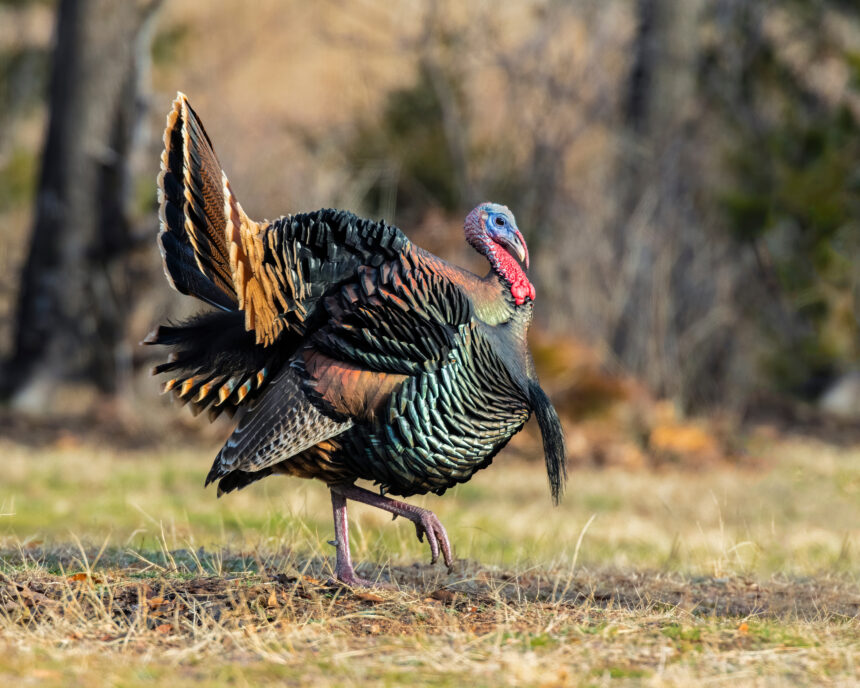
Kansas is home to Eastern and Rio Grande turkeys, while Nebraska has a strong population of Merriam’s and Eastern species. Hunters near towns like Topeka, KS, or Lincoln, NE, can find turkeys in creek bottoms, woodlots, and private farmland.
Hunting Pressure
Be aware of other hunters, especially in popular areas. Guided services like Beamer’s Guide Service reduce this stress by offering less-pressured spots and expert strategies.
Essential Gear for Fall Turkey Hunts
Proper gear ensures comfort and efficiency while maximizing your chances of success.
Clothing & Camouflage
- Layering: Mornings are cold, but afternoons can be warm. Dress in layers to adapt.
- Camouflage patterns: Opt for leafy or woodland camo that blends with late-fall foliage.
- Footwear: Waterproof boots are crucial for creek bottoms and damp fields.
Hunting Tools
- Shotguns & Ammunition: 12-gauge shotguns with turkey loads are standard.
- Calls & Decoys: Mouth calls, box calls, and turkey decoys can attract curious birds.
- Binoculars & Rangefinders: Identify and track flocks from a distance without spooking them.
Safety & Convenience Items
- Blaze orange is often required to signal your presence to other hunters.
- Bring water, snacks, and a first-aid kit.
- Use a hunting backpack for quick access to calls, decoys, and gear.
Scouting Techniques for a Successful Hunt
Scouting is key to predicting turkey movements and securing a harvest.
Early Season Reconnaissance
- Look for tracks and droppings in fields and forest edges.
- Identify roosting trees near food sources.
- Use trail cameras to monitor activity patterns over several weeks.
Terrain & Habitat Analysis
- Creek bottoms, draws, and small woodlots are hotspots in Kansas and Nebraska.
- Turkeys prefer areas with cover and nearby open fields for feeding.
- Rotating hunting spots can prevent turkeys from becoming wary.
Partnering with Local Guides
Guided services provide insider knowledge and reduce guesswork. For example, Beamer’s Guide Service offers semi-guided hunts on private land, giving hunters access to areas not easily found on public property.
Tips for Calling and Concealment
Calling and staying hidden are essential skills for fall turkey hunting.
Effective Calling Techniques
- Cluck & Purr: Simulate hen sounds to draw nearby males.
- Yelp & Cut: Use sparingly in the fall to avoid spooking wary birds.
- Decoy Placement: Position decoys in feeding paths rather than open fields to increase realism.
Blinds and Concealment
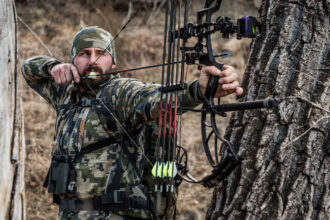
- Permanent stands or ladder stands can give a height advantage.
- Portable blinds are ideal for adjusting based on turkey movements.
- Camouflage netting or natural vegetation can enhance your concealment.
Patience and Observation
- Wait quietly and observe turkey behavior before calling.
- Record patterns in a hunting journal to improve strategies over the season.
Common Challenges and How to Overcome Them
Fall turkey hunts come with obstacles, from weather to wary birds.
Weather & Seasonal Changes
- Windy conditions can hinder calling; face the wind or seek a sheltered location.
- Rain or frost can change turkey feeding areas, requiring flexible scouting.
Avoiding Hunter Pressure
- Public lands see heavy traffic. Private guided hunts in Kansas or Nebraska reduce competition.
- Book early with services like Beamer’s Guide Service to secure less-pressured locations.
Staying Legal and Ethical
- Always check Kansas and Nebraska regulations for season dates and bag limits.
- Respect private property and maintain ethical hunting practices to ensure sustainable populations.
FAQs About Fall Turkey Season
Q1: When does fall turkey season start in Kansas and Nebraska?
A: Kansas typically opens mid-October, and Nebraska’s fall season begins late September to early October, varying by region.
Q2: Can beginners succeed in fall turkey hunts?
A: Yes! With proper scouting, gear, and guidance from services like Beamer’s Guide Service, beginners often see success.
Q3: What’s the best method for calling turkeys in fall?
A: Soft hen clucks and purrs work best. Avoid excessive yelping as birds are more cautious in fall.
Q4: Are guided hunts worth it in Kansas and Nebraska?
A: Absolutely. They provide expert knowledge, access to private land, and higher chances of a successful harvest.
Kansas & Nebraska Hunting Success
In Kansas, hunters in Chase County often find Eastern turkeys near alfalfa fields and creek bottoms. Nebraska’s Lancaster County offers Merriam’s turkey in mixed woodlots with nearby cornfields. Guided hunts through Beamer’s Guide Service provide tailored strategies and expert guidance for these regions.
Prepping for fall turkey season requires a mix of knowledge, preparation, and patience. Scouting early, selecting the right gear, mastering calling techniques, and understanding local turkey behavior will maximize success. For the ultimate experience, consider booking a guided hunt with Beamer’s Guide Service to access prime hunting locations, expert guidance, and a stress-free, successful season.
Book your fall turkey hunt today and experience Kansas and Nebraska’s best hunting grounds!