

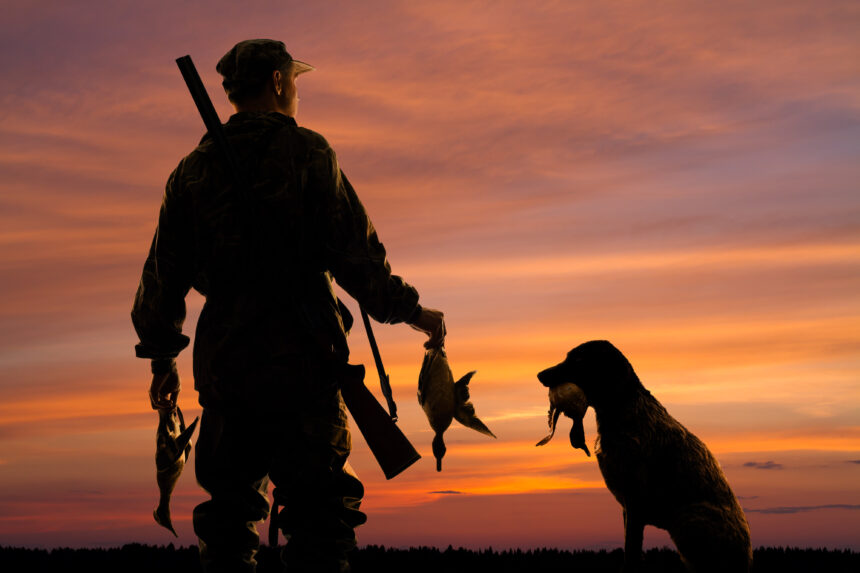
When we talk about duck hunting traditions, especially in the heart of Arkansas, it’s not just about bag limits or ideal weather—it’s about the stories, the bonds and the legacy. At Duck Down Guide Service in Tucker, AR, these traditions gain motion each season as we mentor women and youth in the art of waterfowl hunting. As an expert-friend in the field, I’ll walk you through how these traditions are sustained, why they matter, and how you can bring the next generation into the blind with confidence.
Understanding the Importance of Duck Hunting Traditions
What are “duck hunting traditions”?
Duck hunting traditions cover far more than the hunt itself—they include:
- family mentorship,
- respect for habitat,
- learning the waterfowl pattern and migration rhythms,
- inclusion of women and youth in the field.
These traditions provide continuity—not just of the sport, but of values such as patience, camaraderie, and stewardship of nature.
Why pass them on to women and youth?
Including women and youth in these traditions ensures the sport remains vibrant and inclusive. Women bring new perspectives and youth bring energy and long-term commitment. Passing the baton means the traditions don’t fade.
Regional example: Tucker, AR and the Grand Prairie
In the region near Tucker, AR, and especially through services like Duck Down, the connection is strong. Their operations on 3,000+ acres of private land in Arkansas’s Grand Prairie puts the tradition in a real setting. (Duck Down Guide Service) The proximity to the famed Bayou Meto Wildlife Management Area also means the tradition ties into migration patterns and longstanding waterfowl country. (Duck Down Guide Service)
Pain Points in Passing Down the Love of Duck Hunting
Lack of experience for first-timers
When women or youth step into a duck blind for the first time, they may feel overwhelmed: decoy setups, calling, timing, retrieving–it’s a lot at once. Without proper guidance the experience can be frustrating rather than uplifting.
Hard access to quality hunting grounds
Many younger hunters or women may not have access to private lands or proven spots. A guide service like Duck Down opens doors to 3,000 + acres of private waterfowl ground. (Duck Down Guide Service)
Perceived exclusion from the traditional “men’s club”
Traditionally, waterfowl hunting has been male-dominated. Women or youth may feel they don’t have a welcome entry point. Changing this means fostering a more inclusive tradition.
Solutions: How Duck Down Guide Service Supports the Next Generation
Guided hunts tailored for women and youth
Duck Down offers fully guided hunts. Their packages include guide, decoys, transport, blind, retrieval—all the logistics handled. (Duck Down Guide Service) This lets youth or women focus on learning the craft, not battling logistics.
Mentorship in the field
Experienced guides explain the “why” behind every step—from decoy placement to calling timing. This mentorship turns a hunt into a teaching moment, helping build confidence and tradition.
Comfort and lodging that support the entire experience
The lodge options at Duck Down—like Big Jim’s Lodge or River Bank Lodge—offer the comfort and social space that make the trip memorable for all, including newer hunters. (Duck Down Guide Service) Comfortable lodging allows focus on bonding, mentoring, and memory-making rather than just bag count.
Making It Real in Tucker, AR
Why Tucker and the Grand Prairie matter
Tucker sits near the heart of Arkansas’s famed duck country. Duck Down mentions that their location is just 15 minutes from Stuttgart, AR—the “Duck & Rice Capital of the World.” (Duck Down Guide Service) They hunt a privately-owned 6,050 acre farm on the Grand Prairie that sees large numbers of migrating waterfowl. That kind of ground gives a strong foundation for successful hunts and rich tradition.
A case of inclusive hunting—youth and women participation
With set youth-hunt dates and military/veteran days noted in their schedule, Duck Down shows they care about inclusive access. (Duck Down Guide Service) A youth hunter experiences the early-morning rise, the blind ride, the first call, and perhaps the first duck of their life—this becomes a memory, a tradition passed down.
Testimonials and community feedback
In forums, hunters mention booking with Duck Down and staying at Big Jim’s Lodge, encountering good lodging and guides, and noting the hunting ground of 3,000 + acres. (TexAgs) Though the forum post isn’t youth/women specific, it highlights a quality outfitter experience that new-hunters can trust.
How to Introduce the Next Generation to Duck Hunting Traditions
Prepare them before you hit the blind
- Talk through the gear: proper shotgun, camo, hearing/eye protection.
- Walk with them: explain blind behavior, decoy discipline, retrieving rules.
- Emphasize safety and respect: safety around water, firearms, and wildlife.
Choose an outfitter that prioritizes mentorship
Selecting a guide service committed to quality, inclusive experience is key. Duck Down’s fully guided packages help beginners focus on the experience rather than logistics. For example: “1 day guided morning duck hunt with lodging and meals” is offered. (Duck Down Guide Service)
Celebrate the experience and the story
Make sure the day is more than the harvest: share stories, review what was learned, keep a journal/photo album. These moments build tradition. With women and youth, encourage questions, let them drive parts of the process, and make them feel valued.
Frequently Asked Questions (FAQ)
What qualifies as a duck hunting tradition?
A duck hunting tradition is the passing of knowledge, experience and values—how to call, how to set decoys, how to respect land and wildlife—across generations and among inclusive groups (women and youth).
Can beginners, especially youth or women, succeed on a guided duck hunt?
Absolutely. Guided hunts like those offered by Duck Down give beginners all the support they need—guide, equipment, location. Beginners only need to bring enthusiasm and a willingness to learn.
Why is Tucker, AR a good spot for duck hunting and traditions?
Because Tucker sits near the vibrant duck country of Arkansas’s Grand Prairie, including private lands and proximity to the Bayou Meto W.M.A., it offers both abundant waterfowl and a rich hunting culture. (Duck Down Guide Service)
How do hunts for youth or women differ from typical hunts?
While the sport is the same, hunts for youth or women often place extra emphasis on learning, inclusivity, comfort, and memory-making rather than simply harvest numbers. They often feature smaller groups, more explanation, and social support.
How can I start passing down duck hunting traditions in my family?
Start by involving the next-generation early: have them assist in duck-related tasks, take them on guided hunts, talk about what makes the sport meaningful, emphasize conservation and respect, and capture the moments (photos, stories, journals).
End of FAQ
The heart of duck hunting traditions lies in passing down the love of the sport—especially to women and youth—through mentorship, opportunity, and memorable experiences. In Tucker, AR, the team at Duck Down Guide Service provides not just a hunt, but the foundation of a lifelong tradition. Whether you’re a parent introducing a youngster, or a seasoned hunter inviting a new partner to the blind, you’re building more than memories—you’re building legacy.Ready to create your moment? Book your guided waterfowl hunt with Duck Down Guide Service today. Visit Duck Down Guide Service or call (870) 592-8565 and schedule a hunt that will become a tradition for generations to come.