



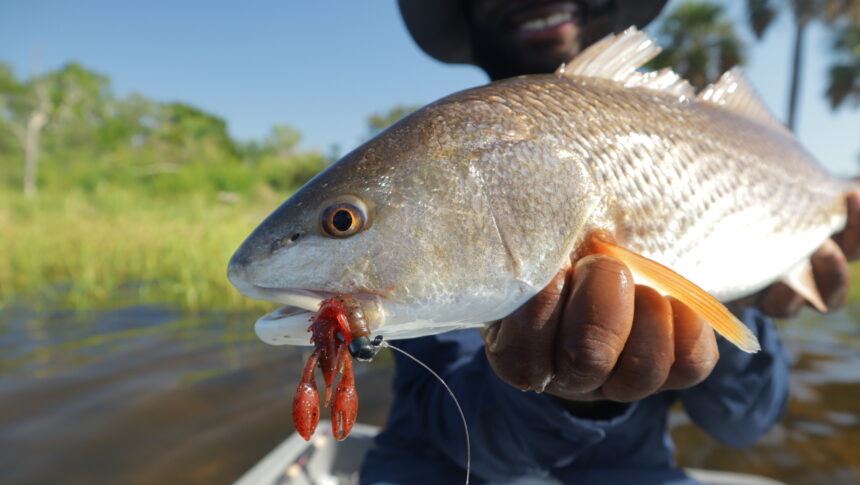
Understanding Snapper Fishing in Tampa Bay
When it comes to snapper fishing in Tampa Bay, few experiences match the thrill of reeling in one of Florida’s most sought-after saltwater species. Whether you’re after Mangrove Snapper, Red Snapper, or even Lane Snapper, these fish challenge your skills while promising a delicious reward.
Tampa Bay, with its complex network of reefs, bridges, and mangroves, offers one of the best environments for snapper fishing in the Gulf of Mexico. Anglers can target snappers year-round, but peak season typically falls from late spring through early fall, when warmer waters bring these fish closer to inshore structures.
If you’re new to the sport or looking to refine your approach, booking a trip with Fishing Magician Charters can help you learn advanced techniques directly from experienced Tampa Bay fishing guides.
Why Tampa Bay Is a Snapper Hotspot
Diverse Habitats for All Snapper Species
Tampa Bay’s unique ecosystem supports both inshore and offshore snapper fishing. Shallow mangrove lines are perfect for Mangrove Snapper, while deeper reefs and wrecks offshore attract Red Snapper and Vermilion Snapper. The mix of salt and freshwater from the bay’s tributaries creates nutrient-rich feeding grounds, making the area a true snapper paradise.
Consistent Year-Round Fishing
Unlike some Gulf Coast destinations, snapper fishing in Tampa Bay doesn’t stop when the seasons change. The region’s moderate climate means anglers can find active snapper populations in both summer and winter. Even when Red Snapper season closes, Mangrove Snapper remain a legal and abundant target.
Accessibility for All Skill Levels
From local piers to private charters, Tampa Bay offers fishing opportunities for everyone. Fishing Magician Charters caters to all skill levels — from beginners to seasoned anglers — providing everything from tackle and bait to insider knowledge of the best fishing spots.
Targeting Popular Snapper Species
Mangrove Snapper – The Inshore Favorite
Mangrove Snapper (Lutjanus griseus) thrive around bridges, jetties, seawalls, and mangroves. They’re known for their cunning bites and quick runs, which makes them a fun challenge for light-tackle enthusiasts.
Tips for targeting Mangrove Snapper:
- Use live shrimp or small baitfish on light fluorocarbon leaders (10–20 lb test).
- Fish during moving tides, especially around sunrise and sunset.
- Try free-lining your bait near structures to mimic natural movement.
These snapper average 1–3 pounds but can reach up to 10 pounds in deeper waters. For the best results, many locals rely on guided trips with Fishing Magician Charters to access lesser-known mangrove channels teeming with fish.
Red Snapper – The Offshore Trophy
Red Snapper (Lutjanus campechanus) are the crown jewel of snapper species in the Gulf. Known for their size and fight, they inhabit offshore reefs and oil rigs 20–60 miles off the coast.
Best practices for Red Snapper fishing:
- Use cut bait or squid on heavy bottom rigs.
- Drop bait near structure using circle hooks to ensure clean catches.
- Plan trips during open season, typically June through August.
Because federal regulations control Red Snapper harvesting, it’s crucial to fish with licensed guides like Fishing Magician Charters, who know the current limits and regulations to ensure a legal, sustainable catch.
Lane Snapper – The Colorful Surprise
While not as famous as Red or Mangrove Snapper, Lane Snapper are abundant throughout Tampa Bay’s artificial reefs and rock piles. Their bright yellow stripes and cooperative bites make them great for family-friendly trips. Use small jigs or pieces of squid to entice these feisty fish.
Proven Techniques to Catch More Snapper
Reading the Tides and Currents
Understanding the tides is one of the most crucial elements in Tampa Bay snapper fishing. Snappers feed most aggressively during moving tides, when baitfish are naturally displaced. Use tide charts to plan your outings for two hours before and after high tide for the best results.
Choosing the Right Tackle and Gear
For inshore snapper:
- Medium spinning rods (7 ft) with a 2500–4000 series reel
- 10–20 lb fluorocarbon leader
- 1/0–2/0 circle hooks
For offshore Red Snapper:
- Conventional rods rated for 50–80 lb line
- Braided mainline with a 50–60 lb leader
- 6/0–8/0 circle hooks
Having the right gear can make the difference between a missed bite and a trophy fish.
Bait and Presentation
Snapper are notorious for stealing bait. To improve hookups:
- Use small, fresh bait that matches local forage.
- Chum lightly to attract them without overfeeding.
- Present bait naturally — avoid heavy weights unless fishing deep water.
Local anglers often prefer live pilchards or pinfish, which can be caught right in the bay before your trip. Charter captains from Fishing Magician Charters often start each trip by catching live bait, ensuring the freshest offerings possible.
Common Mistakes Anglers Make
Using Too Heavy a Line
Snappers are smart and wary of heavy gear. Using thick line can spook them, especially in clear Tampa Bay waters. Opt for light fluorocarbon when targeting Mangrove Snapper inshore.
Ignoring Regulations
Florida’s fishing laws are strict for a reason — to protect snapper populations. Always check Florida Fish and Wildlife Conservation Commission (FWC) regulations for current bag limits and size requirements. Professional charters, including Fishing Magician Charters, stay updated on the latest laws to keep your catch legal.
Neglecting Structure
If you’re not fishing near structure, you’re missing fish. Snapper are ambush predators that stick close to reefs, pilings, and rocks. Always focus on these areas — even a small submerged pipe can hold a dozen snappers.
Local Insights and Seasonal Patterns
Best Times of Year
- Spring: Excellent for Mangrove Snapper near bridges.
- Summer: Red Snapper offshore season opens.
- Fall: Cooler temps bring bigger Mangrove Snapper inshore.
- Winter: Deeper bay channels hold steady action.
Tampa Bay Hotspots
Top-rated areas include:
- Sunshine Skyway Bridge
- Egmont Key Reef
- Tierra Verde artificial reefs
- Old Tampa Bay jetties
Each spot has its own unique structure, and local captains from Fishing Magician Charters know when and where the bite is hottest.
Environmental Considerations
As water temperatures fluctuate, snappers move with the bait. Keeping an eye on water clarity, salinity, and temperature helps predict where fish will congregate. Sustainable fishing practices — such as releasing undersized snapper — ensure this incredible fishery remains productive for generations.
Snapper Fishing FAQs (Rich Snippet Optimized)
What’s the best bait for snapper in Tampa Bay?
The best bait for snapper includes live shrimp, pilchards, and pinfish. Fresh bait works best, especially when free-lined near structure.
When is Red Snapper season in Tampa Bay?
Red Snapper season usually runs from June through August, but it can vary based on federal regulations. Always check the latest FWC updates or book a guided trip with Fishing Magician Charters.
Do I need a fishing license in Tampa Bay?
If you’re fishing on your own, yes — but when you book with Fishing Magician Charters, your license is included in the charter package.
Book a Tampa Bay Snapper Charter Today
Snapper fishing in Tampa Bay combines skill, patience, and a touch of local knowledge. Whether you want to hook your first Mangrove Snapper or land a record-breaking Red Snapper, the key is experience — and no one knows Tampa Bay better than Fishing Magician Charters.
Their expert captains provide top-tier gear, local insights, and a safe, family-friendly environment for anglers of all levels.Ready to master the art of snapper fishing in Tampa Bay?
Visit Fishing Magician Charters today to book your next adventure and experience world-class fishing on Florida’s Gulf Coast.