



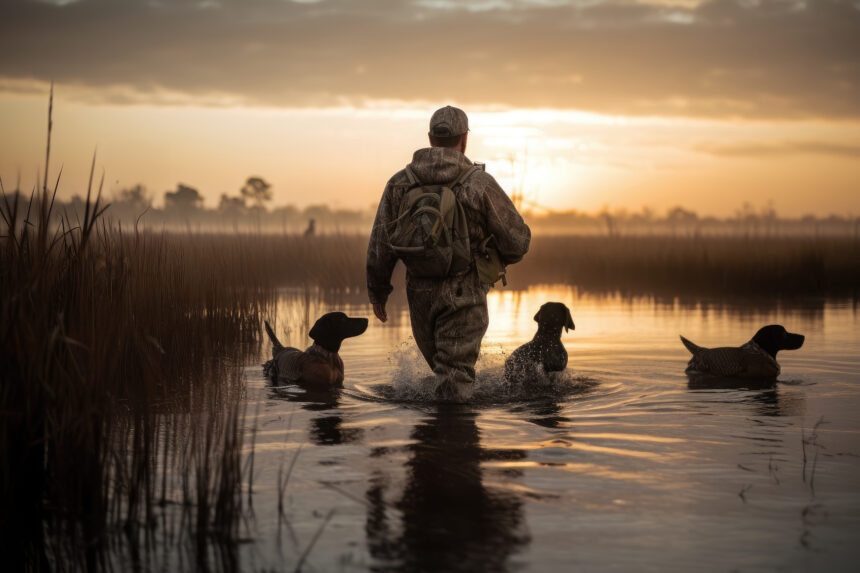
Texas duck hunting is more than a pastime—it’s a passion woven into the fabric of Gulf Coast life. With its vast wetlands, coastal marshes, and rice fields, Texas is one of the top waterfowl destinations in North America. Every fall and winter, millions of ducks migrate through the Central Flyway, making Anahuac, TX, a prime hotspot for hunters eager to bag pintails, mallards, redheads, and other sought-after species.
Whether you’re a seasoned waterfowler or gearing up for your first hunt, knowing how to identify key species can make or break your success. In this guide, we’ll profile Texas’s “Most Wanted” ducks—covering their identifying features, behaviors, and pro tips to help you spot them in the field.
For those ready to put this knowledge into action, Fin & Fowl Outfitters offers premier guided hunts right in the heart of Texas’s best duck country.
Why Species Knowledge Matters for Texas Duck Hunting
Better Identification Means Better Hunts
Misidentifying ducks in low light or fast flights is easy, but it can lead to missed opportunities—or worse, legal mistakes. Texas hunting regulations set species-specific bag limits, so knowing the difference between a hen pintail and a gadwall drake is essential for staying compliant.
Accurate ID also helps hunters target preferred game. For example, mallards are prized for their meat quality, while redheads offer thrilling decoying action over big water.
Ethical and Sustainable Harvesting
Understanding species behaviors ensures clean, ethical shots. Recognizing flight patterns or vocalizations allows hunters to anticipate movement, reducing cripples and improving retrieval. Conservation groups like Ducks Unlimited emphasize proper identification as part of sustainable waterfowl hunting traditions.
Regional Advantage in Anahuac, TX
Anahuac sits near the Gulf Coast, surrounded by prime waterfowl habitats like Anahuac National Wildlife Refuge, Trinity Bay marshes, and managed rice fields. These areas attract multiple species during migration, offering hunters a variety of targets—often in a single hunt.
Booking with Fin & Fowl Outfitters gives you access to expertly scouted blinds and decoy spreads tailored to the species moving through the area.
Pintails – The Elegant Migrants
Identifying Features
- Male pintails are unmistakable: long central tail feathers, chocolate-brown heads, and white neck stripes.
- Females are mottled brown with slimmer necks and a more elegant profile than most dabblers.
- Both sexes are known for their slender bodies and graceful flight.
Pintails often circle high before committing to a spread, giving hunters time to identify them before taking a shot.
Unique Behaviors
Pintails prefer shallow wetlands and flooded rice fields, often feeding on seeds and aquatic plants. Unlike some dabblers, pintails are early migrators, arriving in Texas as soon as late September.
They’re notorious for being wary and cautious—requiring realistic decoys and subtle calling to bring them in close.
Hunting Tips for Pintails
- Use spinning-wing decoys sparingly—pintails often flare if spreads look unnatural.
- Keep calling soft and infrequent to mimic relaxed ducks.
- Hunt early mornings in open fields or marsh edges where pintails prefer to land.
For expert-guided pintail hunts, Fin & Fowl Outfitters offers prime setups in proven rice fields near Anahuac.
Mallards – The Classic Greenheads
Identifying Features
- Drakes: glossy green heads, yellow bills, chestnut breasts, and signature blue speculums on the wings.
- Hens: mottled brown with orange bills marked by black saddles.
- Both sexes have distinctive quacks, making them easier to identify by sound.
Unique Behaviors
Mallards are highly adaptable. You’ll find them in freshwater ponds, flooded timber, and coastal marshes across Texas. They respond well to aggressive calling and active decoy spreads, making them favorites among hunters who love working ducks in close.
They also pair up early in the season, which affects flock dynamics and how they respond to decoys later in the migration.
Hunting Tips for Mallards
- Use varied decoy postures—feeders, sleepers, and sentinels—for a realistic spread.
- Master the hail call and feeding chuckle to pull distant birds.
- Target timber holes, sloughs, or shallow ponds on cold fronts, when mallards push south into Texas in large numbers.
Guided hunts with Fin & Fowl Outfitters put you in premium mallard territory where calling technique meets perfect blind placement.
Redheads – The Coastal Showstoppers
Identifying Features
- Drakes: striking cinnamon-red heads, black chests, and gray backs.
- Hens: subtler, with pale faces and brownish bodies.
- Both sexes display rapid wingbeats and often fly in tight groups over open water.
Unique Behaviors
Redheads thrive in coastal bays, large reservoirs, and open marsh ponds, making the Texas Gulf Coast one of the best places to hunt them. They raft in huge flocks, sometimes numbering in the thousands.
They respond aggressively to large decoy spreads, often buzzing spreads at high speed before committing.
Hunting Tips for Redheads
- Set big, visible decoy spreads to attract flocks from afar.
- Use layout boats or shoreline blinds in open water zones.
- Be ready for fast shooting opportunities—redheads rarely circle long.
Many hunters consider a day of decoying redheads in Anahuac’s marshes and bays a bucket-list experience. Booking with Fin & Fowl Outfitters ensures professional scouting and safety in these challenging coastal environments.
Other Notable Species in Texas Duck Hunting
Gadwalls
- Often called “gray ducks,” gadwalls are subtle but abundant.
- Males have understated plumage with black rumps; hens resemble mallards but lack orange bills.
- Known for quiet approaches and preference for shallow ponds.
Teal (Blue-winged & Green-winged)
- Teal are early migrants, often hunted during September’s special season.
- Blue-wings sport powder-blue wing patches, while green-wings have a distinct green speculum.
- Their erratic, fast flight makes for exciting shooting.
Wigeons & Shovelers
- Wigeons whistle rather than quack, and drakes have a white crown and green eye streak.
- Northern shovelers are easy to ID with their oversized spoon-shaped bills.
- Both species provide great opportunities in flooded fields and marshes.
FAQs About Texas Duck Hunting
When is duck hunting season in Texas?
The regular duck season typically runs late October through January, with special teal and youth seasons earlier. Dates vary by zone, so check Texas Parks & Wildlife Department regulations before hunting.
What licenses do I need to hunt ducks in Texas?
You’ll need:
- A Texas hunting license
- Federal Duck Stamp
- Texas Migratory Game Bird Endorsement
- HIP certification
Outfitted hunts often assist with ensuring all paperwork is in order.
Where’s the best place to hunt ducks near Anahuac?
The Anahuac National Wildlife Refuge, Trinity Bay marshes, and nearby rice fields offer prime habitat. Fin & Fowl Outfitters has exclusive access to some of the region’s best private hunting grounds.
Take Your Texas Duck Hunting to the Next Level
Duck hunting in Texas is about more than pulling the trigger—it’s about understanding the incredible diversity of waterfowl that call this state home. By mastering species identification and behaviors, you’ll become a more skilled, ethical, and successful hunter.
If you’re ready to experience pintails gliding over flooded fields, mallards cupping into timber holes, or redheads screaming across the bay, there’s no better way than joining a guided hunt with the experts at Fin & Fowl Outfitters.👉 Book your Texas duck hunt today and see why Anahuac, TX, is a waterfowler’s paradise.